October 25, 2025
Discovering the most effective treatment for pain and inflammation can often feel overwhelming, given the range of available options. Many pain management centers are now turning to MLS (Multiwave Locked System) laser therapy, a cutting-edge technique gaining recognition for its precision and effectiveness. This innovative therapy uses synchronized laser wavelengths to reduce inflammation, promote healing, and relieve discomfort. In this article, you'll learn how MLS laser therapy works and why it's becoming a trusted solution in modern pain management.
Understanding MLS Laser Therapy
MLS laser therapy stands apart from traditional laser treatments due to its dual wavelength approach. Unlike single wavelength treatments, MLS synchronizes two wavelengths for enhanced efficacy. This unique feature allows for simultaneous treatment of pain and inflammation. By targeting these symptoms concurrently, MLS laser therapy can provide rapid relief. This therapy is non-invasive, offering a promising alternative to medication and surgery for many patients.
Among the primary benefits of MLS laser therapy is its ability to provide effective pain relief without the side effects often associated with medications. Many pain management centers now offer this therapy as part of a holistic approach to patient care. In addition to alleviating pain, MLS laser therapy accelerates the body's natural healing processes, leading to faster recovery times compared to conventional treatments. The therapy also promotes enhanced blood circulation, which supports improved tissue regeneration and overall wellness. As a result, patients experience a more comprehensive and efficient recovery process, addressing both pain and the underlying causes of injury.
Compared to traditional pain management techniques, MLS laser therapy offers distinct advantages. Unlike medications, which may have long-term side effects, MLS provides a non-invasive alternative. Physical therapies, though effective, often require prolonged sessions for noticeable results. Conversely, MLS therapy can often show improvements within a shorter timeframe. Furthermore, according to the National Library of Medicine, six weeks of MLS laser treatment and exercise can significantly reduce pain, providing a solid case for its efficacy over other methods.
Eligibility and Suitability
MLS laser therapy is suitable for a wide range of patients battling pain and inflammation. Individuals with chronic conditions such as arthritis or fibromyalgia may find much-needed relief. It's also applicable to athletes seeking speedy recovery from injuries. Patients with post-surgical pain can benefit as a part of their rehabilitation process. However, an initial evaluation is crucial to determine individual suitability.
Assessing the suitability of MLS laser therapy requires a comprehensive evaluation process. Healthcare providers conduct diagnostic tests to understand the root causes of pain. Detailed medical histories help identify any contraindications for therapy. Physicians discuss the treatment's potential benefits and risks with the patient. Personalized evaluation plans ensure each patient receives the most effective and safe care.
Consultation with healthcare providers is a crucial first step before beginning MLS laser therapy. Many pain management centers emphasize the importance of these consultations to ensure therapy is safely integrated into existing treatment plans. Physicians evaluate potential benefits in the context of a patient's current medications and overall health status. This process empowers patients to make informed decisions about their care and treatment options. With a personalized approach, physician guidance plays a key role in achieving successful MLS therapy outcomes.
The Procedure and Experience
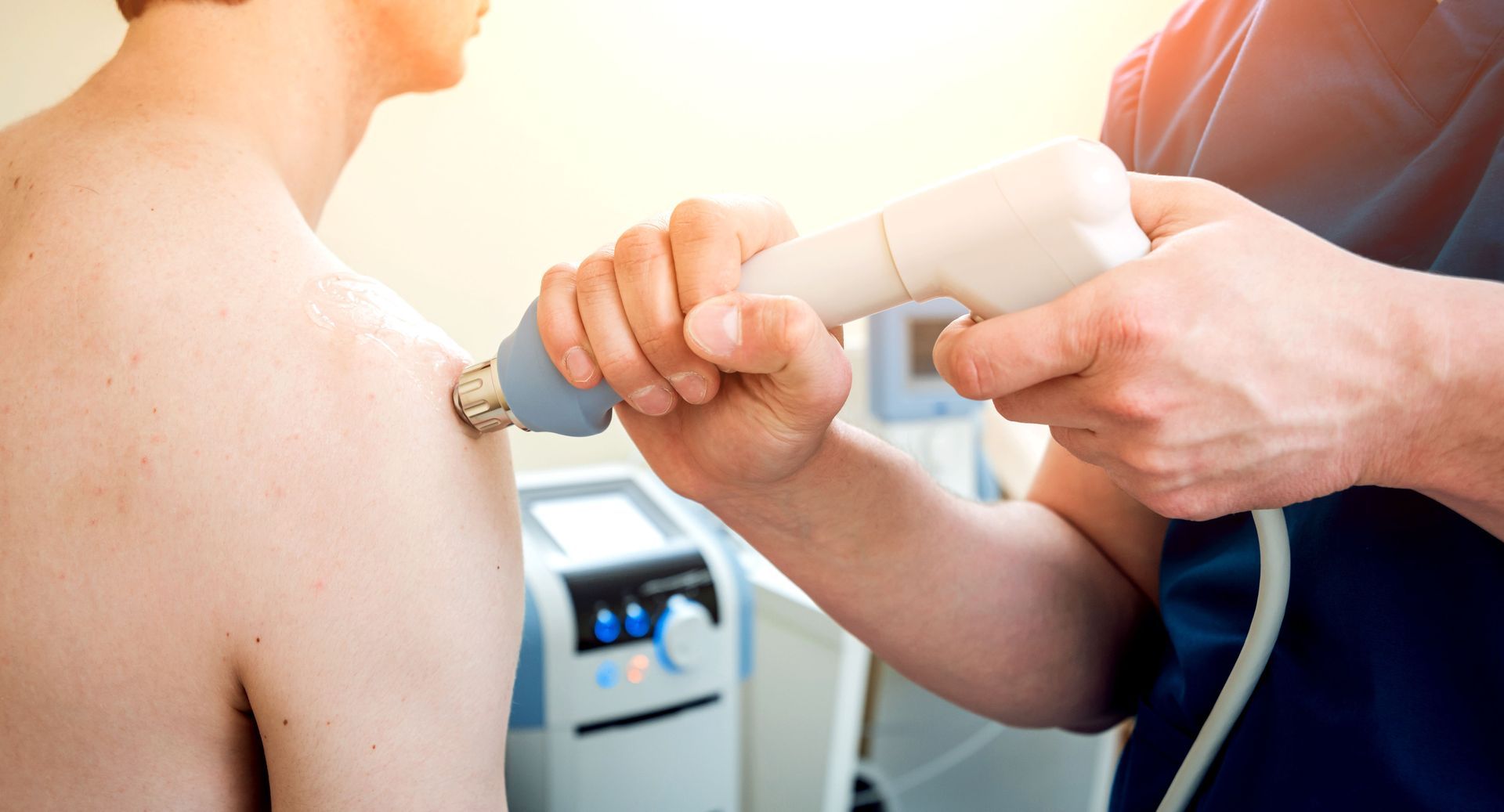
During an MLS laser therapy session, patients can expect a straightforward process. The therapy is typically conducted in a clinical setting and lasts approximately 15-30 minutes per session. Patients usually lie comfortably while a device delivers the synchronized laser wavelengths to the affected area. There is no discomfort during the procedure, which is non-invasive and painless. The session ends with no recovery time required, allowing patients to immediately resume their activities.
Patient comfort is a priority during MLS laser therapy sessions. The non-invasive nature of the procedure eliminates any need for anesthesia, contributing to a relaxed experience. Patients often report a sense of warmth in the treatment area, which is generally well-tolerated. Sessions are scheduled at convenient times and require minimal disruption to daily routines. The ease of logistics makes MLS therapy an attractive option for busy lifestyles.
Following MLS laser therapy, minimal post-treatment care is necessary. Patients are usually advised to maintain hydration and engage in light activities to support healing. Avoiding strenuous activities for a short period is recommended to maximize the benefits. In some cases, supplementary therapies like physiotherapy may be suggested. Overall, the post-treatment phase is simple, ensuring continuation of everyday life with minimal adjustments.
Cost Considerations and Insurance
The cost of MLS laser therapy can vary depending on factors such as clinic location and the complexity of the treatment required. Many pain management centers charge on a per-session basis, which can add up for multiple visits. While the initial expense may seem high, patients often find the long-term benefits, such as reduced pain and improved mobility, well worth the investment. Some centers offer package deals or financing options to make treatments more accessible and affordable.
Insurance coverage for MLS laser therapy varies, with some providers covering it under certain circumstances. Patients are encouraged to consult their insurance companies to understand coverage possibilities. Policies may cover MLS therapy as part of physical therapy or pain management services in some instances. Documentation from healthcare providers can strengthen insurance claims. Navigating insurance coverage effectively can substantially reduce out-of-pocket costs.
For patients who may find MLS laser therapy financially challenging, alternative options exist. Physical therapy, while sometimes slower, can offer affordable pain relief solutions. Over-the-counter medications can provide short-term respite but should be used with caution. Lifestyle modifications, like weight management and exercise, can also alleviate symptoms economically. Exploring these avenues can offer relief without financial strain.
The Future of MLS Laser Therapy
Technological advancements are continually shaping the future of MLS laser therapy. Innovations aimed at enhancing efficacy and patient experience are constantly emerging. Developers are exploring ways to make devices more compact and portable. Additionally, advances in understanding laser-tissue interactions are refining treatment protocols. As these innovations unfold, MLS laser therapy will likely become even more effective and accessible.
Research is revealing new applications for MLS laser therapy across a wide range of medical fields. Many pain management centers are now exploring its use not only for pain relief but also for conditions in dermatology and neurology. Clinical trials are examining its effectiveness in treating issues such as diabetic neuropathy and post-herpetic neuralgia. These expanding applications have the potential to transform how MLS laser therapy is incorporated into comprehensive healthcare plans. Ongoing research will continue to shape its future uses and influence its impact on patient outcomes worldwide.
The adoption of MLS laser therapy is growing worldwide as its benefits become more recognized. Countries with advanced healthcare systems are leading the way in implementing this technology. However, emerging markets are also beginning to integrate MLS into their pain management protocols. Global trends suggest the therapy will gradually become a staple in clinical practices. As more regions embrace MLS laser therapy, sharing knowledge and experiences will accelerate its global integration.
MLS laser therapy offers a promising solution for individuals seeking relief from pain and inflammation. Many pain management centers recommend consulting with healthcare providers to determine if the therapy is suitable for each patient. With a growing body of evidence and positive patient outcomes, MLS laser therapy is increasingly considered a valuable component of comprehensive pain treatment plans. If you're looking for pain management that serves as a viable alternative to surgery, contact Palm Beach Regenerative Sport and Spine.