July 21, 2026
Knee pain can make walking, exercising, climbing stairs, and daily movement more difficult. For many people, the goal is to reduce discomfort while supporting mobility without immediately turning to invasive procedures. Modern knee pain treatments now focus on targeted diagnostics, image-guided care, regenerative orthopedic treatments, and personalized support plans.
Patients dealing with knee discomfort may benefit from approaches that look closely at the source of pain before treatment begins. Services such as consultation, diagnostic imaging, interventional orthobiologics, Regenexx procedures, MLS laser therapy, and supplement protocols can help create a more complete care plan. These knee pain treatments are designed to support function, reduce pain, and help patients make informed decisions about their knee health.
Consultation and Diagnostic Imaging
Understanding the Source of Knee Pain
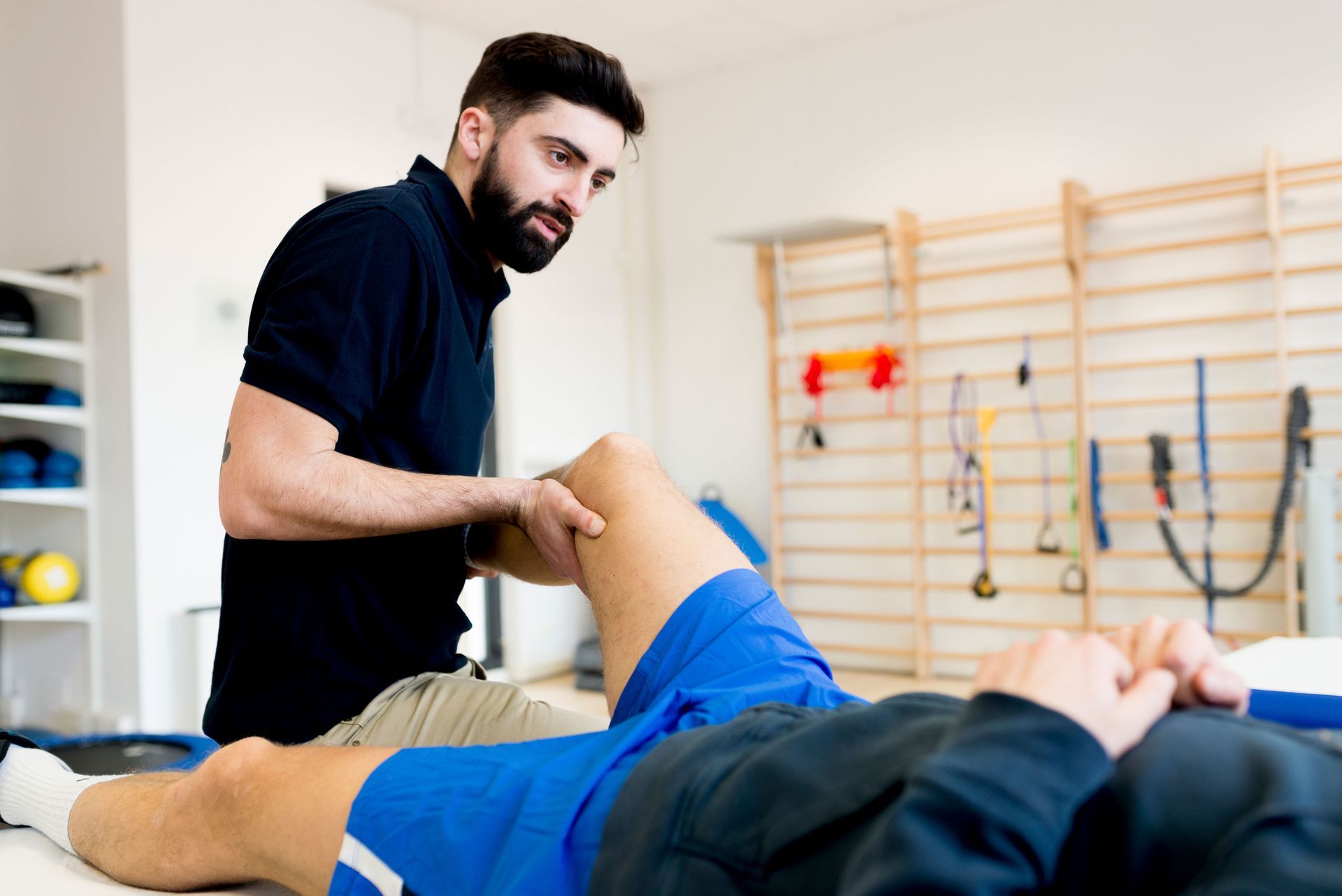
A thorough consultation is an important first step for patients dealing with knee pain. Rather than treating symptoms alone, a detailed evaluation can help identify what may be contributing to discomfort, stiffness, instability, or limited movement. This may include reviewing medical history, activity level, previous injuries, and current symptoms before recommending knee pain treatments.
Diagnostic imaging can provide additional insight into knee structures, including joints, soft tissue, and surrounding areas. In-office X-ray and ultrasound imaging may be used to guide evaluation and treatment planning. Full spine MRI imaging may also be part of a broader review when symptoms suggest related issues beyond the knee itself.
Detailed Imaging Reviews
Detailed imaging reviews can help patients better understand what their diagnostic results show and how they may relate to knee pain. This type of review allows for a more detailed discussion of findings, possible treatment options, and realistic next steps. It can also help patients avoid guesswork when deciding which knee pain treatments may fit their needs.
By reviewing imaging carefully, a provider can determine whether a patient may be a candidate for non-surgical regenerative orthopedic care. This personalized process helps match the treatment plan to the patient’s condition, goals, and activity level. Careful review also helps patients compare knee pain treatments based on the source and severity of their symptoms.
Interventional Orthobiologics for Knee Pain
What Are Interventional Orthobiologics?
Interventional orthobiologics use substances from the body to support natural repair processes in injured or painful tissues. For knee pain, these treatments may be considered for certain orthopedic conditions, including osteoarthritis and soft tissue concerns. The goal is to address pain and dysfunction with targeted knee pain treatments that support a non-surgical approach.
These procedures are often image-guided, which helps improve precision during treatment. By using advanced guidance, the treatment can be directed to the area that needs attention. This can be especially helpful when dealing with knee structures that require accuracy and careful placement.
PRP for Knee Pain
Platelet-rich plasma, commonly called PRP, is one regenerative option used in orthopedic care. PRP is created from a patient’s own blood and contains concentrated platelets that include growth factors. These components are used to support the body’s natural healing response in targeted areas.
For knee pain, PRP may be considered when inflammation, tissue irritation, or joint-related symptoms are affecting mobility. A consultation and imaging review can help determine whether PRP is appropriate. Since every knee condition is different, candidacy for knee pain treatments depends on the patient’s diagnosis, health history, and treatment goals.
Bone Marrow Concentrate for Knee Pain
Bone marrow concentrate, also known as BMC, is another regenerative orthopedic option. This treatment uses a patient’s own bone marrow, which is processed to concentrate healing cells and growth factors. It may be used as part of a non-surgical plan for certain orthopedic knee concerns.
BMC treatment is typically considered after a detailed evaluation. Imaging, diagnosis, and symptom severity all play a role in determining whether it may be suitable. For patients hoping to reduce pain and support function without surgery, BMC may be one of the knee pain treatments to discuss during a consultation.
Regenexx Procedures
How Regenexx Supports Non-Surgical Orthopedic Care
Regenexx procedures are designed for patients looking for non-surgical orthopedic treatment options. These procedures use advanced regenerative techniques and precise image guidance to target painful or injured areas. For knee pain, Regenexx may be discussed when a patient wants an option that focuses on repair, function, and mobility.
The treatment process begins with evaluation and diagnostic review. From there, a care plan may be developed based on the patient’s condition and goals. This personalized approach can help patients understand whether Regenexx procedures are a good fit among available knee pain treatments.
Image-Guided Treatment for Precision
Image guidance is an important part of modern regenerative orthopedic care. Ultrasound or other imaging tools can help guide the placement of treatment with greater accuracy. This matters because knee anatomy includes multiple structures that may contribute to pain, including cartilage, ligaments, tendons, and surrounding soft tissue.
Precise treatment may help improve the overall care experience by focusing on the affected area. It also supports a more detailed and individualized approach compared with generalized pain treatment. For patients with ongoing knee issues, this level of accuracy can be an important part of knee pain treatments.
Supplement Protocols and Personalized Support
Why Supplement Protocols May Be Part of Care
Supplement protocols may be included in a personalized knee pain care plan when appropriate. These protocols can be used to support overall wellness, tissue health, and recovery goals. They are not a replacement for diagnosis or treatment, but they may complement broader knee pain treatments.
A personalized supplement plan should be based on each patient’s needs, health history, and goals. This helps avoid a one-size-fits-all approach. When combined with appropriate evaluation and treatment, supplement protocols may provide additional support for patients managing knee discomfort.
A personalized plan also allows progress to be monitored over time. If symptoms change, the treatment approach can be reviewed and adjusted. This helps patients stay informed and involved throughout the process while considering knee pain treatments that match their goals.
Non-Surgical Pain Management for Knee Conditions
Supporting Mobility Without Surgery
Non-surgical pain management can be valuable for patients who want to stay active while addressing knee discomfort. These services may focus on identifying the source of pain, reducing symptoms, and supporting better movement. For many patients, the appeal is the ability to explore knee pain treatments without immediately choosing surgery.
Regenerative medicine, image-guided procedures, MLS laser therapy, diagnostic imaging, and supplement protocols can all play a role in a non-surgical care plan. The exact combination depends on the patient’s diagnosis. This approach gives patients more options when knee pain begins to interfere with daily life.
Knee Osteoarthritis and Related Concerns
Knee osteoarthritis is one condition that may lead patients to explore regenerative orthopedic care. Symptoms can include pain, stiffness, swelling, reduced range of motion, and difficulty with activity. According to AAOS, more than 32.5 million Americans are currently affected by symptomatic knee osteoarthritis, highlighting one of the largest patient populations driving innovation in regenerative orthopedic care.
A detailed evaluation can help determine whether non-surgical treatments may be appropriate. Other knee-related issues, such as nerve-related symptoms or soft tissue concerns, may also require careful review. Diagnostic imaging and consultation help create a clearer picture of what is happening. From there, targeted knee pain treatments can be created around the patient’s needs.
Modern knee pain care can include more than temporary symptom relief. Services such as consultation, diagnostic imaging, detailed imaging reviews, interventional orthobiologics, PRP, bone marrow concentrate, Regenexx procedures, MLS laser therapy, supplement protocols, and non-surgical pain management can help patients explore care options based on their condition and goals.
By focusing on personalized evaluation and targeted treatment, patients can better understand the source of knee pain and choose a path that supports mobility. A non-surgical approach may be especially helpful for people who want to reduce discomfort, improve function, and make informed decisions about long-term knee health. Contact Palm Beach Regenerative Sport and Spine today to learn more.