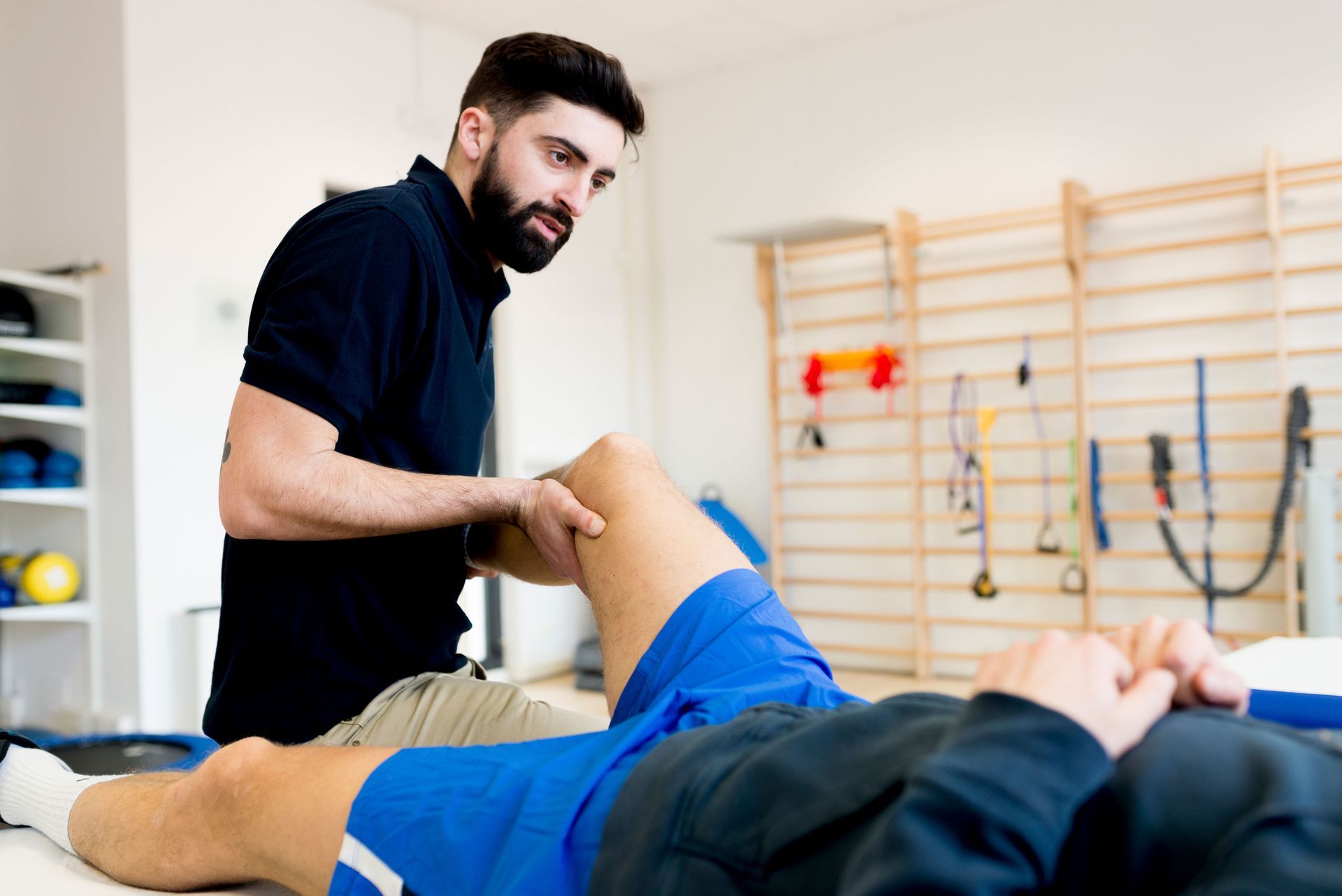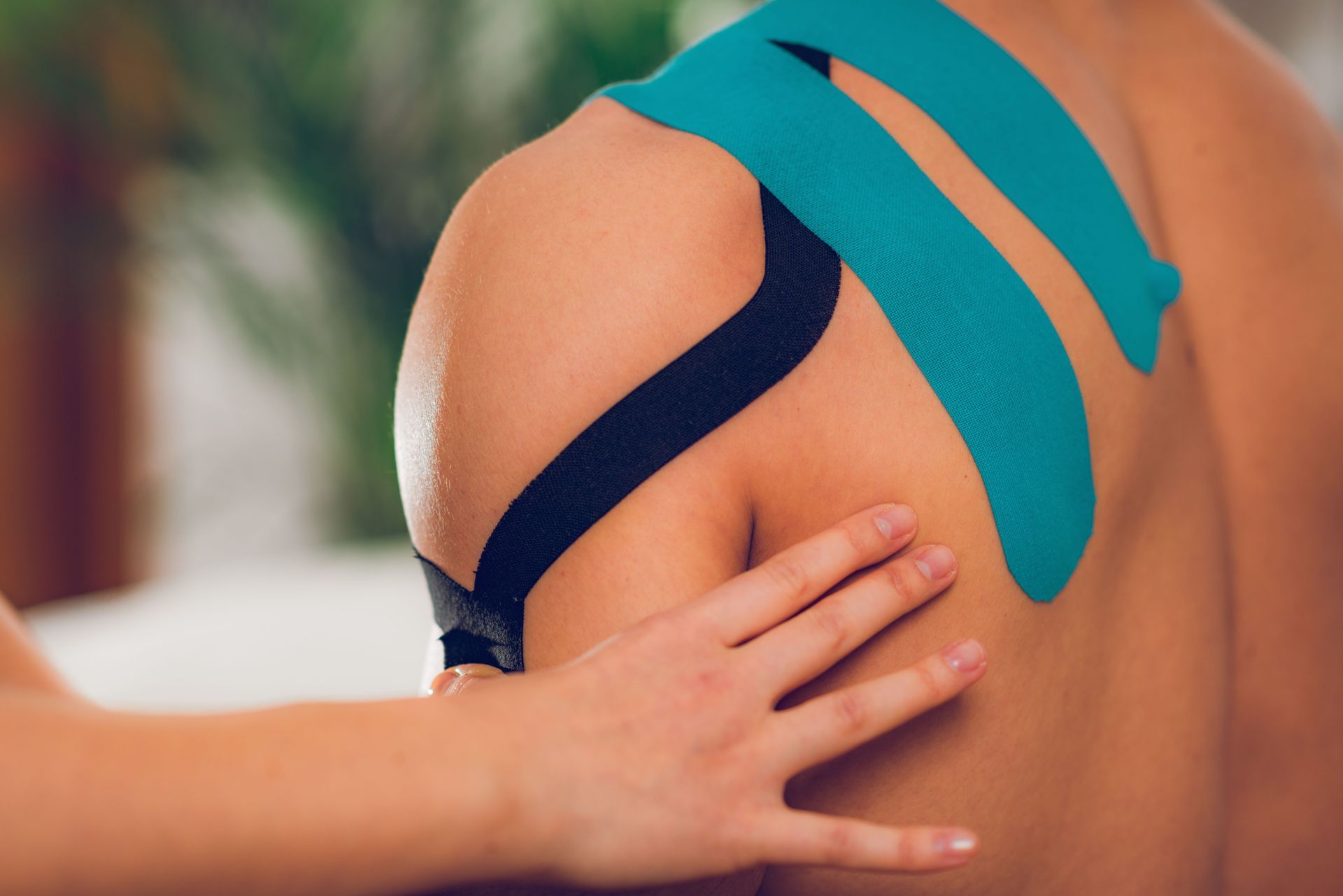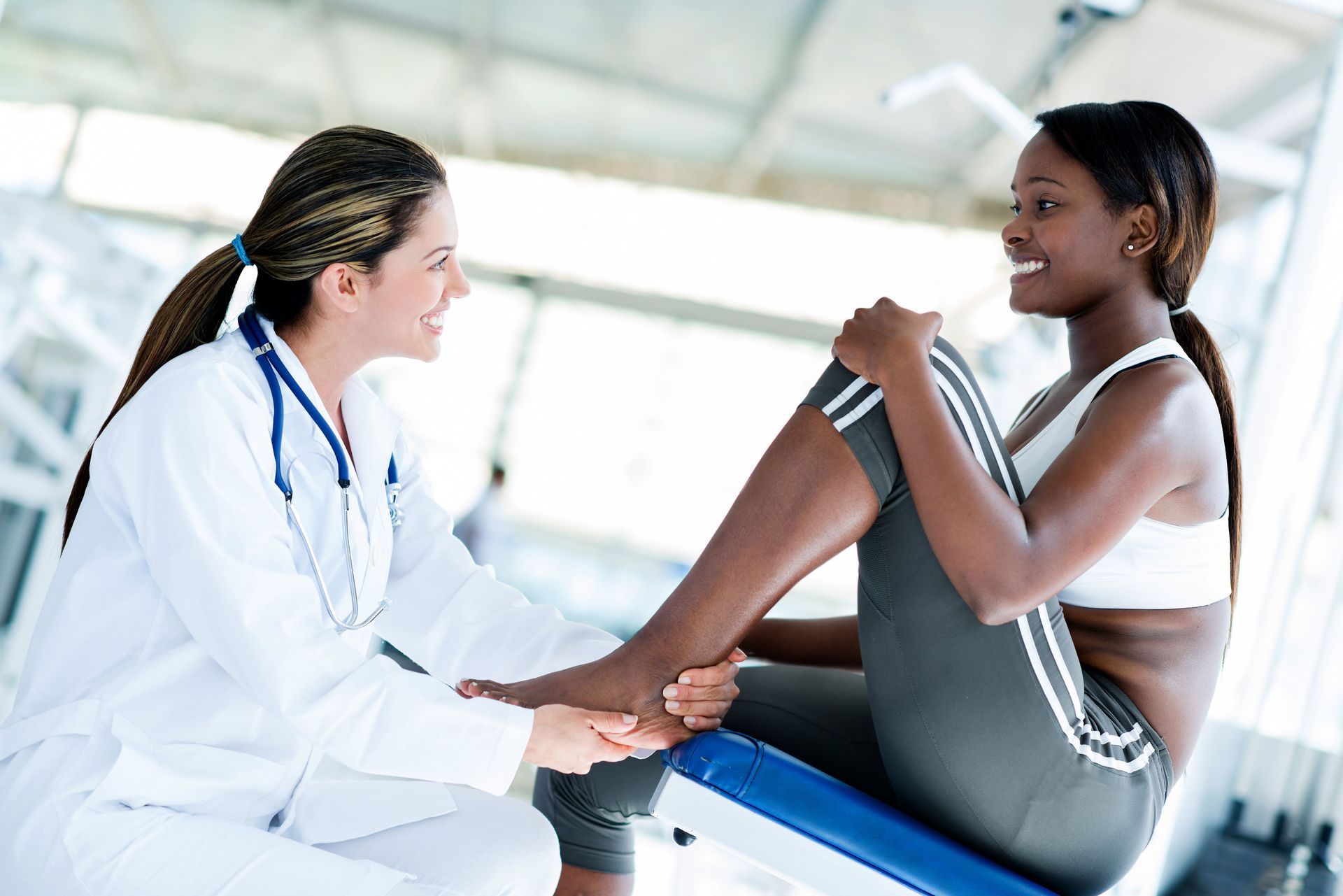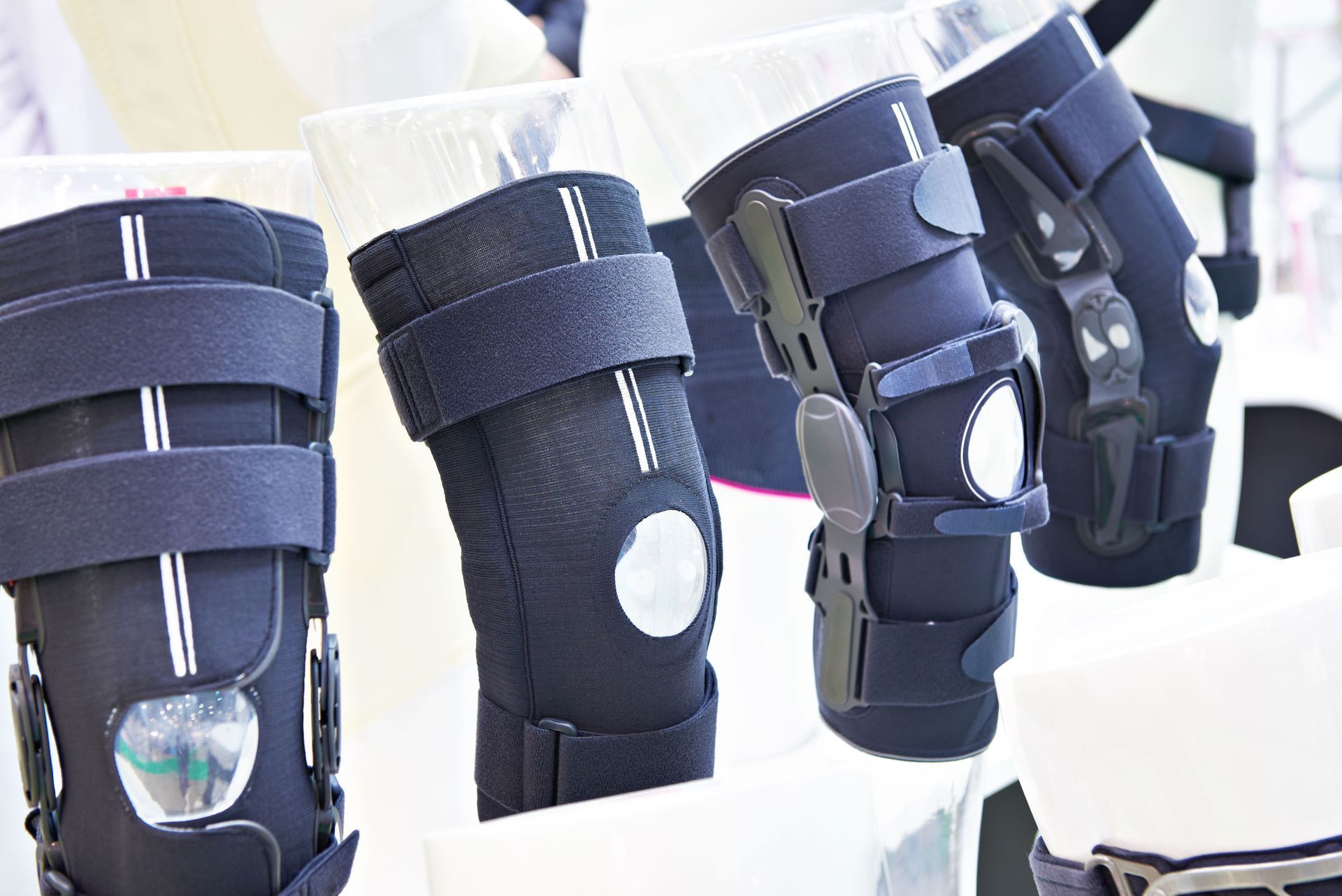
Modern recovery approaches in orthopedics increasingly focus on how the body moves rather than just treating symptoms. Small alignment issues in posture, walking mechanics, or joint loading often contribute to long-term discomfort if left unaddressed. When these patterns are corrected early, patients typically experience better mobility and fewer recurring flare-ups.
A more efficient movement system reduces unnecessary strain on joints and surrounding tissues. In orthopedics, this often involves gait evaluation, posture correction, and targeted mobility work designed to restore natural biomechanics. These adjustments are especially valuable for individuals dealing with chronic stiffness or post-injury limitations.
Another key factor is consistency in movement retraining, which helps the nervous system adopt healthier patterns over time. Patients who commit to structured correction strategies often notice improved energy levels and reduced daily discomfort. This foundation supports every other stage of recovery.
Small daily adjustments, such as improving sitting posture or adjusting foot placement during walking, can also reinforce long-term change. Over time, these micro-corrections compound into meaningful improvements in overall movement quality and joint comfort.
Strengthening Joint Stability and Control
Joint stability is a core focus within orthopedics because it directly influences injury risk and long-term function. Weak supporting muscles can cause instability that places excessive pressure on ligaments and cartilage. Strength-based rehabilitation helps correct these imbalances in a controlled and progressive way.
Targeted strengthening programs often emphasize slow, controlled movements that build endurance as well as power. In orthopedics, this approach is commonly applied to knees, hips, shoulders, and the spine, where instability tends to develop over time. Patients benefit from improved balance and greater confidence in daily activities.
Consistency is critical here, as stability improvements occur gradually through repetition and load adaptation. When patients stay engaged with structured programs, they often reduce their reliance on pain management interventions. This makes strengthening one of the most practical long-term strategies.
Adding variation to routines can also prevent plateaus in progress. Simple changes in resistance, tempo, or movement angle help keep the body adapting and improving steadily over time.
Improving Recovery Through Regenerative Care
Regenerative medicine is reshaping how orthopedics addresses tissue repair and long-term healing. Instead of focusing only on symptom relief, these approaches aim to support the body’s natural ability to recover. Treatments may include biologic therapies and minimally invasive procedures designed to enhance healing responses.
According to the American Academy of Orthopedic Surgeons (AAOS), insights from recent industry analysis suggest that orthopedics is expanding rapidly, with the global market reaching approximately $64.9 billion in 2025. This growth is largely driven by increasing demand for joint preservation techniques, regenerative solutions, and minimally invasive interventions. The trend reflects a shift toward earlier intervention and improved long-term outcomes rather than delayed surgical care.
As regenerative options continue to evolve, patients are gaining more alternatives to traditional surgical pathways. In orthopedics, this creates opportunities for faster recovery timelines and reduced downtime. It also supports a more proactive approach to managing degenerative conditions before they progress.
Ongoing research is also improving how clinicians match patients with the most suitable regenerative methods. This individualized approach helps improve consistency in outcomes and reduces unnecessary trial-and-error in treatment planning.
Optimizing Pain Management and Mobility Training
Effective pain management in orthopedics is not limited to medication or rest; it often involves structured mobility work that restores function. Controlled movement exercises help reduce stiffness while improving circulation around affected joints. Over time, this contributes to a noticeable reduction in pain sensitivity.
Mobility training focuses on restoring usable range of motion in a way that feels safe and sustainable. This typically includes stretching protocols, joint mobilization techniques, and low-impact conditioning. These methods are designed to help patients move with greater ease in everyday life.
When combined with guided progression, mobility work can significantly improve long-term outcomes. Patients often report that routine tasks become easier and less painful. This makes mobility optimization a central pillar of effective recovery planning.
Breathing techniques and relaxation strategies can further enhance mobility work by reducing muscle guarding. This allows movements to become smoother and more controlled during rehabilitation sessions.
Supporting Rehabilitation With Technology Integration
Technology has become an important part of modern orthopedics, especially in rehabilitation and recovery tracking. Wearable devices, motion sensors, and digital tracking tools provide real-time feedback on movement quality and activity levels. This data helps clinicians adjust programs more precisely.
This technology-driven rehabilitation allows for more personalized care plans based on actual performance rather than assumptions. Patients benefit from structured guidance that adapts as they improve. This reduces setbacks and improves consistency throughout the recovery process.
Remote monitoring also supports patients who need ongoing care without frequent clinic visits. It keeps recovery plans active and accountable while maintaining flexibility in daily routines. As a result, adherence rates tend to improve significantly.
Integration with mobile applications has made it easier for patients to track progress and stay engaged between appointments. This continuous feedback loop encourages better long-term participation in recovery programs.
Building Long-Term Preventive Habits and Conditioning
Long-term success depends heavily on prevention rather than reactive treatment. Conditioning programs are designed to maintain strength, flexibility, and joint resilience over time. These habits reduce the likelihood of recurring injuries and chronic pain development.
Preventive strategies often include low-impact strength training, posture awareness, and recovery-focused routines. This proactive approach helps patients maintain progress long after initial rehabilitation is complete. It also supports better performance in work, sports, and daily activities.
Sustainable conditioning requires consistency rather than intensity. Small, repeatable actions often produce better outcomes than aggressive short-term efforts. This approach helps create long-term physical resilience.
Lifestyle factors such as sleep quality, hydration, and stress management also play a supporting role in maintaining musculoskeletal health. These elements work together to reinforce physical conditioning and recovery results.
Advancing Patient Outcomes Through Personalized Care
Personalized care continues to redefine expectations by tailoring treatment plans to individual needs. No two patients experience pain or recovery in the same way, which makes customization essential. Treatment plans often adapt based on progress, lifestyle, and functional goals.
A personalized approach also improves patient engagement, since care plans feel more relevant and achievable. This leads to higher adherence rates and better overall outcomes. Patients are more likely to stay committed when they understand the purpose behind each step.
This strategy combines diagnostics, movement analysis, and continuous feedback to refine treatment over time. The result is a more efficient recovery process with fewer unnecessary interventions. Personalized care strengthens both short-term recovery and long-term joint health.
Education also plays a major role, helping patients understand how daily habits impact recovery. When individuals are informed, they tend to make more consistent and effective decisions for their long-term well-being.
Pain-free living is most achievable when recovery strategies work together rather than in isolation. Orthopedics continues to evolve toward more integrated, patient-centered approaches that combine movement science, regenerative care, and technology. These advancements make it possible to address both immediate pain and long-term joint health more effectively.
Sustained improvement depends on consistent habits, structured rehabilitation, and early intervention when symptoms first appear. Addressing issues early helps prevent progression and supports more efficient recovery outcomes. Structured rehab also builds stability over time, reducing the likelihood of recurring pain or setbacks.
As care models continue to advance, patients have more tools available to maintain mobility and reduce discomfort. Modern approaches combine personalized exercise, regenerative options, and movement-focused strategies to support long-term joint health. This makes it easier to stay active and manage symptoms more effectively. For guided, expert-driven support in recovery and performance, contact Palm Beach Regenerative Sport and Spine.